
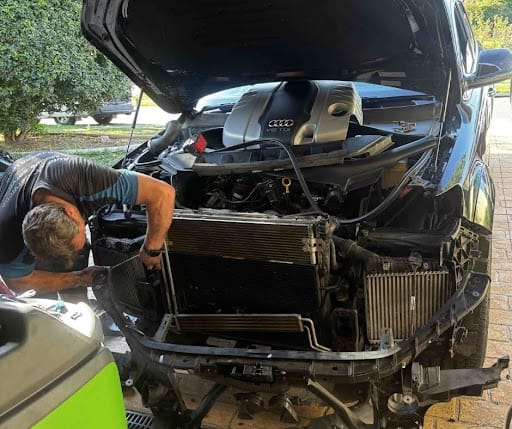
Your aircon is not just a summer luxury. It is part comfort, part safety gear, especially when you need fast demisting.
This guide covers quick checks you can do at home, smarter driving habits that help your system cool faster, and the moments when it is worth booking a proper service. You will know what to watch for, what to clean, and what not to touch.
It matters because a healthy AC system keeps you comfortable, clears the windscreen quicker when it is humid or cold, and reduces strain on the engine and components. Stay on top of small issues and you are far less likely to end up paying for big-ticket failures that usually start with something simple.
Good AC maintenance for cars comes down to three priorities: strong airflow, sealed refrigerant, and a well-lubricated compressor. Miss one and the whole system starts working harder than it should.
Oz Cool Auto & Parts offers a full air conditioning service that covers all of these in one visit, including refrigerant checks, leak testing, and component inspection. If you are between services, the tips in this guide will help you keep the system in good shape.
Good car AC compressor maintenance comes down to three goals: strong airflow, sealed refrigerant, and smooth lubrication. Miss one, and the whole system starts working harder than it should.
Focus on the basics that cause most complaints. Filters, condenser cleanliness, refrigerant level, odours, leaks, and odd noises all tell you what is happening long before the system gives up.
A sensible baseline is to book a professional aircon check every one to two years, even if it still feels cold. That timing helps catch small leaks, weak performance, or early wear before they turn into a mid-summer breakdown. If you notice weaker cooling, strange smells, or new noises, book sooner rather than waiting for it to fail.
Your schedule should be tighter if you live in a hot climate, drive on dusty roads, or spend a lot of time in stop-start traffic where the system works harder. Older vehicles also need more frequent attention because seals, hoses, and bearings wear over time. If your car is used for long commutes, rideshare, or frequent short trips, treat that as heavy use and service it earlier.
Here are the warning signs your aircon is asking for help. These are the clues to act on early, before a minor issue turns into a costly repair.
Weak airflow is often a cabin filter problem, especially if it has not been replaced in a while. It can also point to a blockage or restriction that needs checking.
If it cools briefly then turns warm, low refrigerant or a leak is often involved. It can also be an early sign of compressor trouble, so do not ignore it.
Musty smells usually come from moisture and growth around the evaporator area. A dirty cabin filter can trap odours and make the smell linger.
New noises can be linked to belts, bearings, the compressor clutch, or debris caught where it should not be. If the sound is getting louder, book an inspection sooner.
Moisture inside the cabin can mean the AC drain is blocked and water is not exiting properly. It can also point to other faults, so it is worth getting it checked before mould shows up.
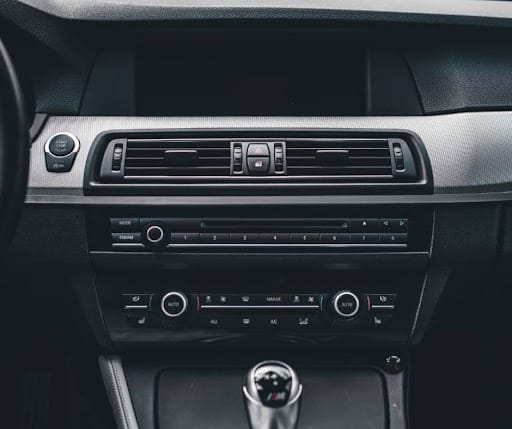
Here are a few quick car AC maintenance tips you can follow without tools or mechanical know-how. They are simple habits that help the system cool better and last longer.
Switch the aircon on for a few minutes each week, even in cooler months. Regular use helps circulate oil and keeps seals from drying out.
If the car has been parked in the sun, crack the windows for a short burst before you start the AC. This dumps the hottest air fast so the system is not fighting an oven from the moment it starts.
Use fresh air for the first minute or two, then switch to recirculation. Recirculation cools quicker once the cabin temperature starts dropping.
Check the front condenser area for leaves, bugs, and grime that block airflow. A gentle clean helps the system shed heat more efficiently.
Turn the AC off shortly before you switch the engine off. This can reduce moisture sitting in the system and may help keep smells away.
Smoking leaves residue that clings to ducts and makes filters work harder. Keeping the cabin air as clean as possible reduces the load on the system.
Your cabin filter is the first line of defence for your vents. It blocks dust, pollen, and debris before they clog up the airflow and end up inside the system.
When the filter loads up, the fan has to work harder and the air feels weaker, even if the system is still cold. That extra strain can also make demisting slower, which is the last thing you want on a wet morning.
Many workshops suggest replacing the cabin filter about once a year, and some reference around 20,000 km, but your owner’s manual is the best guide. If you drive in dust, roadworks, or heavy traffic, replace it sooner.
If you notice a musty smell, do not just mask it with a hanging air freshener. Address it early with filter replacement, cleaning, and a drain check so moisture does not keep feeding the problem.
Refrigerant is what carries heat out of your cabin, so when it drops, cooling performance drops with it. Low refrigerant is also a red flag because a sealed system should not use it up over time.
As an owner, watch for cooling that slowly gets worse, especially on hotter days. Listen for hissing near the engine bay after you switch the system off, and check around AC hoses and fittings for oily residue that can point to a leak.
What not to do is try to top it up yourself without the right tools and training. Proper refrigerant handling is regulated in Australia, and an AC regas without leak checks is often a short-term patch that does not fix the cause. If you suspect a leak, a proper leak detection service will find it before the next regas wastes money on a system that is still losing charge.
The AC compressor is the heart of your aircon system, and it is often the most expensive part to repair or replace. When it fails, the bill can climb fast, especially if the system is contaminated or other parts are affected. Browse our range of AC compressors if you need a replacement.
The best protection is straightforward: run the AC regularly, keep the cabin filter clean so airflow stays strong, and fix refrigerant leaks quickly so the compressor is not forced to work under poor conditions.
Pay attention to early warning signs. Squealing, grinding, clicking, or a sudden drop in cooling are all reasons to book an inspection, not reasons to turn the radio up.
With sensible car AC compressor maintenance, many compressors can last for years without drama. Neglect and low refrigerant are what usually shorten their lifespan, so staying on top of the basics is money well spent.
A proper AC maintenance for car service is more than a quick top-up. It checks performance, finds faults early, and helps you avoid repeat problems.
A technician will usually run a performance test and check for leaks, so the cause is identified instead of guessed. If needed, they will handle refrigerant correctly and recommend a cabin filter change or a disinfect treatment.
If smells or airflow issues keep coming back, evaporator cleaning may be done at a workshop. This targets the damp area where bacteria and mould can build up.
Book before summer if you rely on strong cooling through the hottest months. Book before the wet season, or as soon as symptoms show up, so you are not stuck with foggy windows and warm air at the worst time.
Aircon costs change based on what the system actually needs, not what you hope it needs. A regas is usually the lighter job, while leak detection and repairs add time and parts, and compressor work sits at the expensive end because it can involve more components and labour.
The easiest way to save money is to act early and follow the car AC maintenance tips in this guide. Replace cabin filters on schedule, book inspections when cooling starts to fade, and fix leaks before the compressor is forced to run under poor conditions.
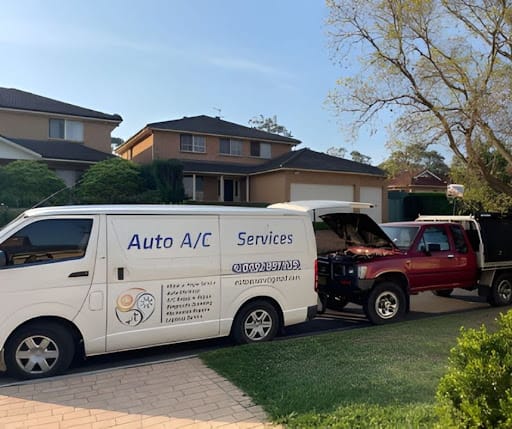
Oz Cool Auto & Parts can help you keep your system reliable with a full air conditioning service, air conditioning repairs, and leak detection when something feels off.
Small habits each week, simple checks each month, and a proper service on schedule will keep cooling strong and help you avoid costly failures. Use the car AC maintenance tips in this guide, and contact us to get the system checked if any warning signs show up — weak airflow, musty smells, or warm air that comes and goes are all worth acting on early.
Most car owners service it every one to two years. Book sooner if cooling drops, smells appear, or noises start. If you drive in hot or dusty conditions, a tighter schedule is worth it.
This often points to low refrigerant, a leak, or a failing compressor. It can also be caused by airflow issues like a blocked cabin filter. A proper diagnosis will confirm the cause.
Moisture can build up and lead to mould or bacteria near the evaporator. A dirty cabin filter can make the smell worse. Addressing it early with a filter change and drain check stops the problem from compounding.
You may notice weak cooling that gets worse over time. Some leaks also leave an oily residue around AC fittings or hoses. If you suspect a leak, book a leak detection service rather than just topping up the system.
A regas may only be a short-term fix if refrigerant is escaping. It is best to find and repair leaks before refilling, or the system will lose charge again and you will pay twice.
A common guide is about once a year. Replace sooner if you drive in dust or heavy traffic, or if you notice weak airflow and musty smells.
It is good to run it regularly, even in winter. This helps keep seals lubricated, can reduce odours, and helps the system demist the windscreen effectively.
Grinding, squealing, or clicking when the AC turns on can be warning signs. If the noise is new or getting louder, book an inspection rather than waiting.
It usually includes a performance test, leak checks, and refrigerant handling if needed. Many services also include filter advice and system cleaning options.
Open the windows briefly to dump hot air before switching to recirculation. Park in shade when possible, keep the condenser area clear of debris, and make sure the cabin filter is not overdue for replacement.