
Your car AC is switched on, the fan is running, but the cabin still feels warm. In Australian summers, that can turn a straightforward drive into an uncomfortable one, especially after the car has been parked in the sun all day.
Weak cooling usually comes down to three things: poor airflow, excess heat trapped inside the cabin, or a fault somewhere in the AC system. If you are wondering how to improve AC performance before booking a repair, start with the simple checks below. Then look for the warning signs that suggest the system needs professional attention.
Some issues are quick fixes you can handle yourself. Others point to worn or failing components that need a licensed technician. Knowing the difference saves time and money.
How to improve car AC performance starts with the basics: replace the cabin air filter if it is blocked, make sure vents and the air intake area are clear, and let hot air escape from the cabin before putting the AC on full. Once the cabin starts to cool, switch to recirculate mode to stop the system pulling in warm outside air. Set the temperature to the lowest setting, not somewhere in the middle, as the AC works most efficiently at full cooling rather than mixing cool and warm air together.
For orders placed before 1pm, Oz Cool Auto & Parts ships AC components the same day, which means if a faulty part is your problem, you do not have to wait long to fix it. If none of the DIY steps make a noticeable difference, the system likely has a fault that needs proper diagnosis: low refrigerant, a leak, a worn compressor, or a failing fan component. Our AC regas service covers refrigerant checks and a full inspection before any gas goes in, so you are not just topping up a system that has an underlying problem.
Small habits and simple checks can make a noticeable difference to cabin comfort. These tips are designed to help everyday drivers work through the basics before booking a repair.
A dirty cabin air filter restricts airflow before cool air even reaches the vents. If the fan sounds like it is working hard but the air coming through feels weak, the cabin filter is the first thing to check.
Weak airflow does not always mean the compressor has failed. A clogged filter alone can choke the system enough to make cooling feel poor. Replacing it is one of the cheapest fixes available and takes most drivers under ten minutes.
Dust, loose items, or debris around dashboard vents can reduce airflow noticeably. Check that all vents are open, unobstructed, and aimed where you need them.
It also helps to inspect the fresh air intake near the base of the windscreen. Leaves and debris collect there over time, particularly if the car is parked under trees regularly. A blocked intake forces the system to work harder than it should.
A parked car traps a large amount of heat. The dashboard, seats, and interior surfaces all absorb and hold it. Before turning the AC to maximum power, open the doors or windows for thirty seconds to let the hottest air out.
This simple habit helps the cabin cool faster because the system is not fighting a wall of built-up heat from the moment it starts. It also reduces the load on the compressor during those first few minutes of driving.
Many drivers leave the system on fresh air mode without thinking about it. Fresh air mode is useful when you first start driving because it helps push the hot cabin air out. Once the cabin begins to cool, switch to recirculate.
Recirculate closes the external air duct, keeping already-cooled air inside the cabin rather than constantly pulling in warm air from outside. On a hot Queensland day, this one setting change can make the cabin noticeably cooler faster and puts less strain on the compressor and blower motor.
This surprises a lot of people: setting the temperature to something in the middle is not more efficient. Your AC system cools air down to a fixed temperature regardless of where you set the dial. If you pick a higher setting, the system actually reheats the air back up to hit your chosen temperature, which burns more fuel and makes the cabin take longer to cool.
Set the temperature to the lowest it will go, then use the fan speed to manage how much cold air is circulating. This is how the system is designed to operate most efficiently.
Newer vehicles often include an automatic start/stop system designed to save fuel at traffic lights. The problem is that when the engine switches off, the AC compressor stops running with it. In stop-start city traffic on a warm day, this can cause the cabin temperature to climb noticeably between lights.
If your car has a start/stop button or a setting to disable the feature, turn it off on hot days when you need consistent cooling. Your comfort in summer traffic is worth the small difference in fuel use.
If the air feels noticeably colder while driving but warmer when the car is stopped at traffic lights, this is useful diagnostic information. Moving air through the condenser at speed can improve its ability to release heat. At idle, the system relies on the condenser fan to do that job.
If cooling drops consistently at idle, it may point to a condenser fan issue, an airflow problem, or a system performance fault. Telling a technician this pattern helps them narrow down the diagnosis faster.
Shade reduces heat build-up inside the car before you even start the engine. Less heat trapped means the AC has less work to do during the first few minutes of driving, and the cabin reaches a comfortable temperature faster.
On warm days across Brisbane, North Lakes, and wider South East Queensland, the difference between a shaded and a fully sun-exposed car can be significant by the time you return to it.
A windscreen sunshade helps keep the dashboard, steering wheel, and front seats cooler while the car is parked. It is a low-cost way to meaningfully reduce the heat load inside the vehicle before the AC even starts.
This is particularly useful if the car sits outdoors during work hours, at school drop-off, or at shopping centres without undercover parking.
AC systems that sit unused for long periods can develop musty smells, seals can dry out, and small issues go undetected until summer arrives. Running the system for at least ten minutes once a week through cooler months keeps it in regular use.
It does not need to run constantly. A short run through winter helps maintain consistent performance and gives you the chance to notice any changes in cooling before they become a problem in peak heat.
Not every problem responds to the tips above. If you have worked through the basics and still want to know how to improve AC performance properly, watch for these signs that something deeper is wrong:
Any of these, particularly if they persist over more than a few days, is a signal to get the system inspected properly rather than continuing to use it and risk further damage.
Sometimes the reason car AC performance stays poor is that a component inside the system has worn out or failed. The good news is that individual parts can often be replaced without a full system overhaul. Here are the most common culprits:
The compressor is the heart of the AC system. It pressurises the refrigerant and keeps it circulating. A failing compressor often shows up as inconsistent cooling, a rattling or grinding noise under the bonnet when the AC is switched on, or a system that cools well at highway speed but struggles at idle.
Compressor replacement is a job for a licensed technician. Incorrect installation can cause significant damage to the rest of the system. Our AC compressors are OEM quality and backed by a 12-month warranty, and we can arrange installation as well as supply.
If your fan only works on one speed, or cuts in and out, the blower motor resistor is the most common point of failure. The resistor controls blower motor speed, and when it starts to go, airflow through the vents becomes unpredictable.
This is a relatively straightforward part to source and replace. Browse our AC fan blower motor resistors if you have already identified the fan as the issue.
In variable displacement compressors, the control valve regulates how hard the compressor works based on demand. A failing valve can cause the system to operate erratically, with cooling that comes and goes without obvious reason.
Mechanics who cannot source this part through standard suppliers often come to us. Our AC control valves cover a wide range of makes and models, with same-day shipping available on orders placed before 1pm.
Staying ahead of small issues is almost always cheaper than dealing with a full system failure mid-summer. The most reliable way to improve car AC performance over the long term is to maintain the system properly rather than waiting for it to fail.
A clean filter, unobstructed airflow paths, and a system with the correct refrigerant charge all help the cabin cool more effectively from start-up. A neglected system works harder to deliver less. For best performance and reliability, we recommend servicing your air conditioning system every 18 months.
A well-maintained AC system makes driving in warm weather genuinely comfortable rather than just bearable. It cools faster after school runs, work commutes, and long stretches on the highway.
Small problems are easier and cheaper to fix when they are found early. A professional inspection can identify refrigerant leaks, worn components, electrical faults, or fan issues before they cause a larger, more expensive failure. Our leak detection service is a good starting point if you suspect the system is losing refrigerant.
For best performance and reliability, we recommend servicing your air conditioning system every 18 months. Routine maintenance reduces the likelihood of repeat regassing. If a system keeps needing a top-up, there is almost certainly a leak. Fixing the leak once is significantly cheaper than repeatedly regassing a system that cannot hold its charge.
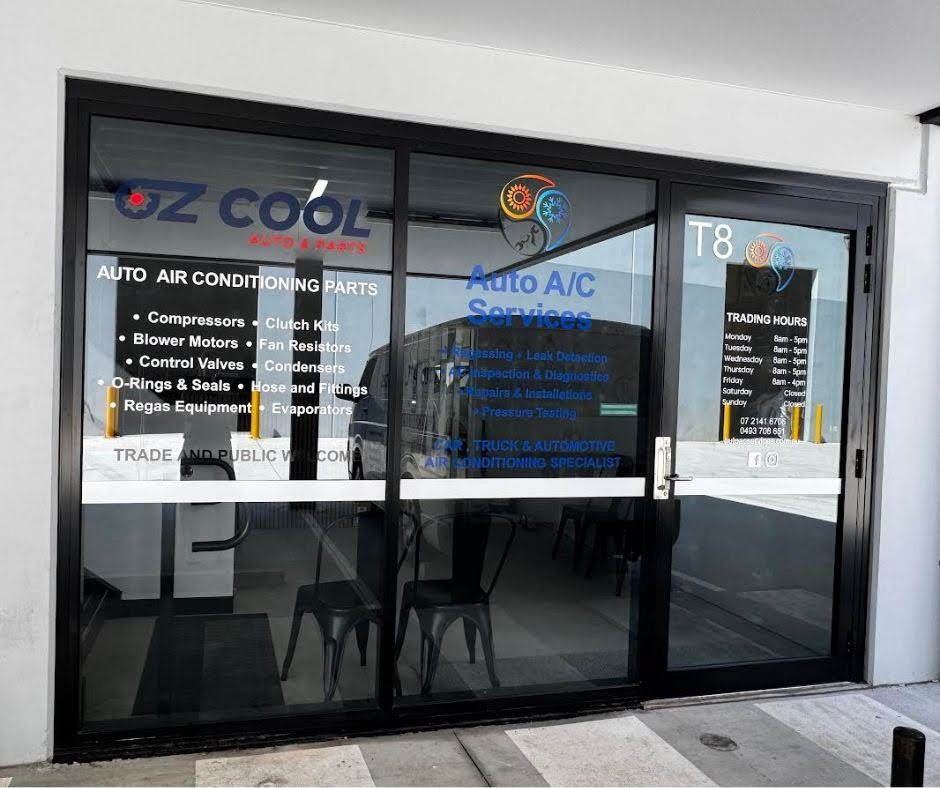
If the simple fixes have not made a difference, the next step is a proper look at what is going on inside the system. Oz Cool offers full air conditioning service, AC repairs, and leak detection, with 25 years of hands-on experience backing every diagnosis.
We also supply quality aftermarket and genuine AC parts with free shipping Australia-wide. If you know what you need, you can order directly. If you are not sure, call us and you will speak to the technician, not a salesperson. Contact us to get started, or browse our AC regas service if you think refrigerant is the issue.
Small problems get worse when they are left alone. Getting it checked early is almost always the cheaper option.
Start with the cabin air filter and vents, as these are the quickest checks and the most commonly overlooked. Let hot cabin air escape before you run the AC on full power, and switch to recirculate mode once the cabin begins to cool. If those steps do not make a noticeable difference, the system likely has a fault that needs a professional inspection rather than more DIY adjustments.
Yes, it can make a significant difference. A blocked cabin air filter restricts airflow through the vents, which can make the system feel like it is barely blowing even when it is working hard. Replacing a clogged filter is one of the cheapest and easiest fixes available, and it is worth doing before investigating more complex causes.
Weak airflow is most often caused by a blocked cabin filter, dusty or obstructed vents, or a buildup of debris in the fresh air intake near the windscreen. It can also point to a fault with the blower motor or a failing fan blower motor resistor, which controls the speed at which the fan operates. If the filter and vents are clear and the problem continues, a resistor or electrical fault is the likely cause.
The AC compressor runs off the engine, so higher engine RPM at driving speeds means the compressor operates more efficiently. At idle, the system relies on the condenser fan to move air across the condenser and release heat. If cooling noticeably drops at traffic lights, it can point to a condenser fan fault, a system performance issue, or a refrigerant charge that is lower than it should be.
Set it to the lowest temperature available. The AC system cools air to a fixed cold point regardless of your dial setting. If you choose a higher temperature, the system reheats the air to reach it, which burns more fuel and makes the cabin take longer to cool. Use fan speed to control comfort, not the temperature dial.
It can, if low refrigerant is the cause. However, a regas will not fix a leak, a faulty compressor, a failing fan component, or an electrical fault. If the system loses its charge again within a few months of a regas, there is almost certainly a leak that needs to be found and repaired before the system is recharged. Our AC regas service includes a proper inspection before any gas goes in.
Recirculate mode is best used once the cabin has started to cool, not from the very beginning of the trip. Starting on fresh air mode for the first minute or so helps push hot air out of the cabin. Once the air inside is cooler than the air outside, switch to recirculate. Running recirculate continuously for very long trips in a fully sealed vehicle can reduce air quality over time, so occasional fresh air ventilation is a good habit on longer drives.
Musty or mouldy smells coming from the vents are typically caused by bacterial growth on the evaporator coil or inside the duct system. Moisture accumulates there during normal operation. Running the fan on fresh air mode without the AC for the last few minutes of a drive helps dry out the system. If the smell is persistent, the evaporator and ducts may need professional cleaning. Running the AC regularly through cooler months also helps reduce the conditions that cause the smell.
Most AC specialists recommend a professional inspection every one to two years, regardless of whether you have noticed a problem. This allows for refrigerant levels to be checked, components to be inspected for wear, and any leaks to be identified before they cause bigger issues. Waiting until the system stops cooling effectively often means the problem has been developing for some time.
If cooling stays poor after a regas, if the fan only works on one speed, if you hear grinding or rattling from the AC when it runs, or if the system behaves erratically with cooling that comes and goes without reason, a component is likely failing. The most common culprits are the compressor, the fan blower motor resistor, and the control valve. A proper diagnosis will confirm which part is the issue before any money is spent on replacements.