

You’re driving along, enjoying the cool breeze from your AC and then, out of nowhere, it starts blowing warm. A few minutes later, it’s cold again. Annoying, right?
When your AC starts acting up, blowing warm air, cycling on and off unpredictably or even making odd noises, chances are you’ve got a control valve failure. This small but important part of your AC system is responsible for regulating refrigerant flow and making sure everything runs smoothly.
Left unchecked, a faulty compressor control valve can put stress on other parts of your AC system, leading to more serious (and expensive) repairs down the line. But the good news? Catching the warning signs early can save you time, money and a whole lot of frustration.
Keep reading to find out the common AC control valve failure signs, what causes these problems and what you can do to prevent things from getting worse.
Yes, it definitely does! The AC control valve regulates how much refrigerant moves through the compressor. When it’s working as it should, you get steady, reliable cooling, no matter how hot it is outside. If the valve starts to fail, things can go downhill fast. You might notice the AC blowing warm air one minute and ice-cold the next, or it might struggle to cool at all.
If you’ve had a regas but your AC still isn’t working properly, the control valve could be the issue. Neglecting these control valve failure signs can lead to full compressor failure, which is a costly fix. Spotting the problem early can save you a lot of hassle.
If your AC isn’t working as it should, these warning signs could point to a faulty valve.
Inconsistent cooling is a clear sign something’s wrong. If your AC flips between freezing cold and barely cool, the control valve may be struggling to regulate refrigerant flow.
If your AC takes too long to kick in, the valve might be sticking or failing to open properly. It eventually adjusts, but this delay signals a problem that could get worse over time.
If the AC seems to work fine on mild days but struggles during the scorching days, the control valve could be part of the problem. When temperatures rise, a faulty valve can make it harder for the system to keep up, leaving you sweating behind the wheel.
Regassing should improve AC performance, but if nothing changes, the issue likely isn’t low refrigerant. A faulty control valve could be preventing the system from functioning properly.
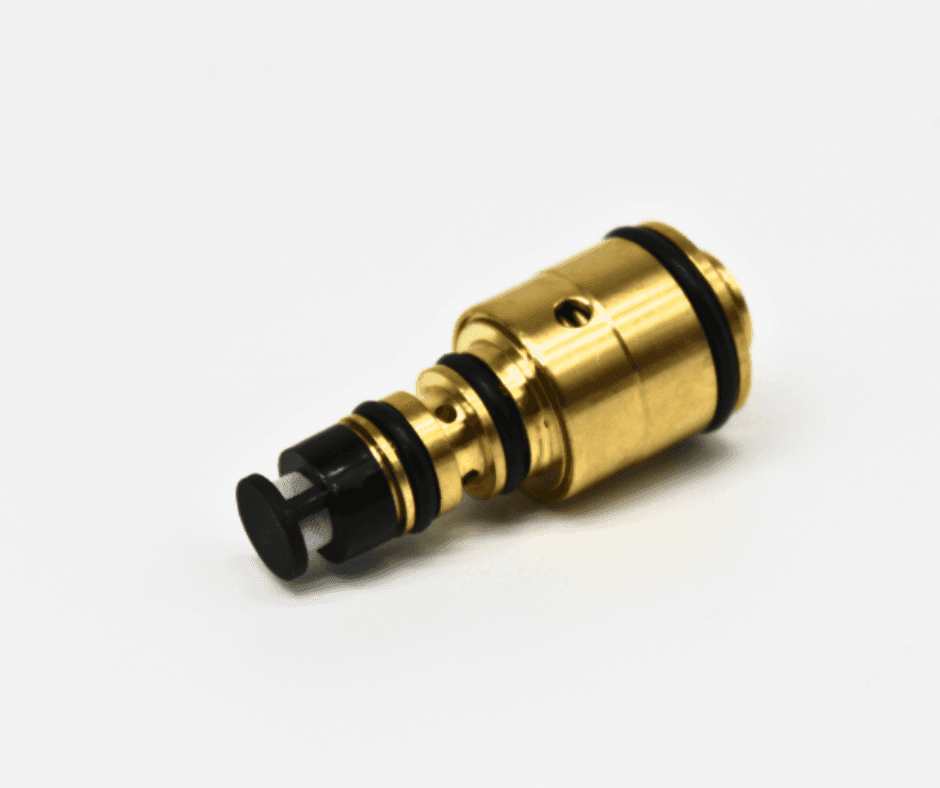
Your car AC compressor control valve symptoms of failure don’t just pop out of nowhere. It usually fails due to one of the following reasons:
Modern AC systems rely on electronic controls and the compressor control valve is no exception. Wiring issues, sensor failures or voltage fluctuations can disrupt how the valve operates. If the valve isn’t receiving the right signals, it won’t function properly. This can cause intermittent cooling or complete system failure.
The control valve and the compressor work hand in hand. If the compressor is worn out or damaged, the valve won’t be able to regulate refrigerant flow correctly. Over time, wear and tear inside the compressor can lead to inefficient performance, causing overheating, sluggish cooling or total breakdown.
Sometimes, the issue is within the valve itself. Dirt, debris or internal wear can prevent the valve from opening and closing smoothly. This can result in refrigerant flow problems and fluctuating cooling performance.
Regular maintenance keeps your AC system running smoothly and helps prevent costly repairs. Here’s what you can do to avoid control valve failure and extend its life:
Keeping refrigerant levels in check helps the control valve do its job properly. Too much or too little refrigerant puts unnecessary strain on the control valve, leading to premature failure. Regular servicing makes sure the system stays balanced and runs as efficiently as possible.
Dust, dirt and grime can cause the control valve to stick or block the flow of refrigerant. Regular cleaning and proper lubrication help keep everything working as it should. A well-maintained valve means better cooling and fewer surprises on hot days.
Routine inspections can catch early warning signs before they turn into expensive problems. Checking for electrical issues, refrigerant leaks or worn-out components can save you from a major headache.
While DIY maintenance helps, professional servicing is the best way to keep your AC in peak condition. A trained eye can pinpoint issues you might miss and provide expert diagnostics and fixes to prevent serious damage.
Prevalent car AC compressor control valve symptoms won’t fix themselves and waiting too long can lead to expensive repairs or even a full compressor replacement. If your aircon is acting up, getting it checked early can save you a lot of hassle.
At Oz Cool Auto & Parts, we specialise in diagnosing AC control valve failure signs and fixing aircon issues, including control valve replacements, car aircon repair and full system servicing. We stock control valves for every make and model, so you won’t have to waste time searching for parts.
Trust our expert team to fix the problem and get your aircon running like new again. Book an AC inspection today or give us a call for professional advice and trusted services!