
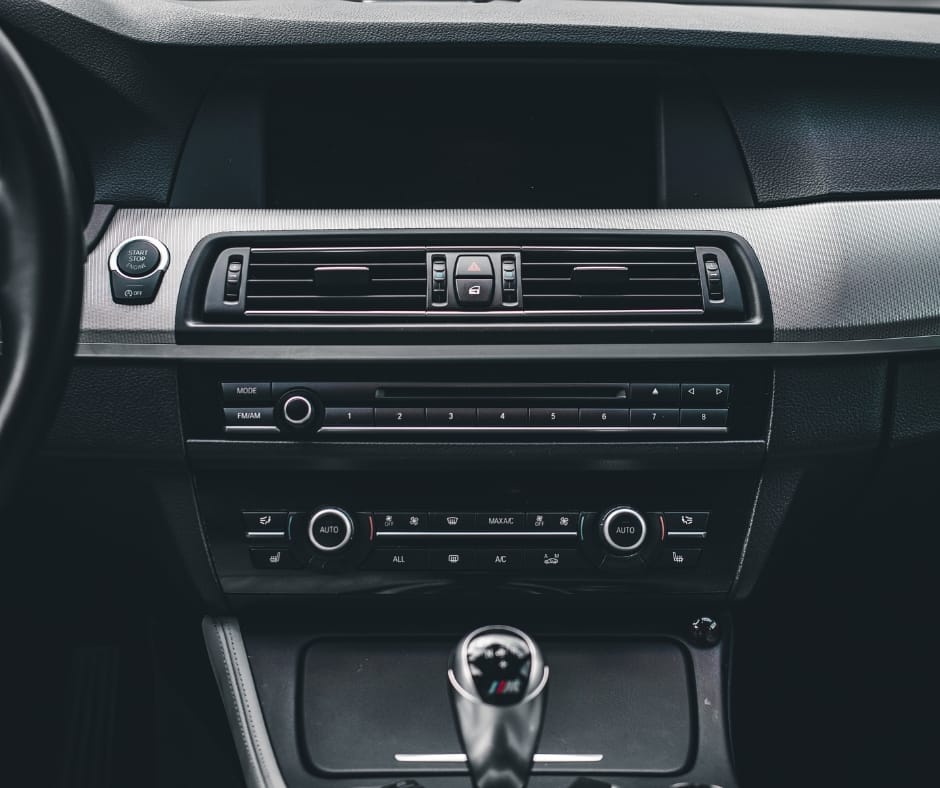
Do you own a car and haven’t quite got your head around on what keeps the cabin cool? Chances are you’ve hit the AC button on a hot day without giving much thought to what’s actually going on behind the control panel.
Truth is, your car’s air conditioning system does more than just blow cold air. It’s a mix of hardworking parts that all play a specific task in keeping you cool and comfy on the road. Knowing what these parts do and how they work together can save you from an unexpected breakdown and help your AC run smoother for longer.
In this guide, we’ll explain the main car air conditioning components, what each one does and their impact on your air conditioning’s overall performance. This will also include simple maintenance tips to extend the system’s lifespan and practical advice on handling faulty parts, so you’re not caught sweating out in traffic.
The components of a car air conditioning system run on a closed-loop setup, which means it recycles the same refrigerant over and over to cool things down. It pulls in air, takes the heat and moisture out of it and sends that chilled, dry air back through the vents.
Each of the car air conditioning components has its own job to perform which contributes to the overall efficiency and comfort of your vehicle. If any part fails to function properly, the whole system can start acting up. That’s why it helps to know what each bit does. That way, if something is not working, you’ve got a better idea of where the problem might be hiding.
If you’ve got a feel for how the parts work together, it’s easier to spot when something isn’t right. Knowing what’s what can help you catch issues early before they snowball.
Small problems can turn into big bills if they’re left unchecked. Picking up on things early, like a worn belt or a leaking hose, can mean the difference between a minor fix and a major expensive replacement.
Looking after each part helps the whole system to run better for longer. Regular ac services (we suggest every year) can help you avoid those annoying breakdowns in the middle of a drive and add up to costly repairs.
A well-maintained AC system consumes less fuel and cools the car more effectively. It helps improve overall fuel efficiency and lowers running costs.
A fully functional AC provides consistent cooling, making hot weather drives more enjoyable.
Understanding how your AC works helps you make sense of an aircon specialist’s recommendations. It prevents unnecessary replacements and helps you make informed repair decisions.
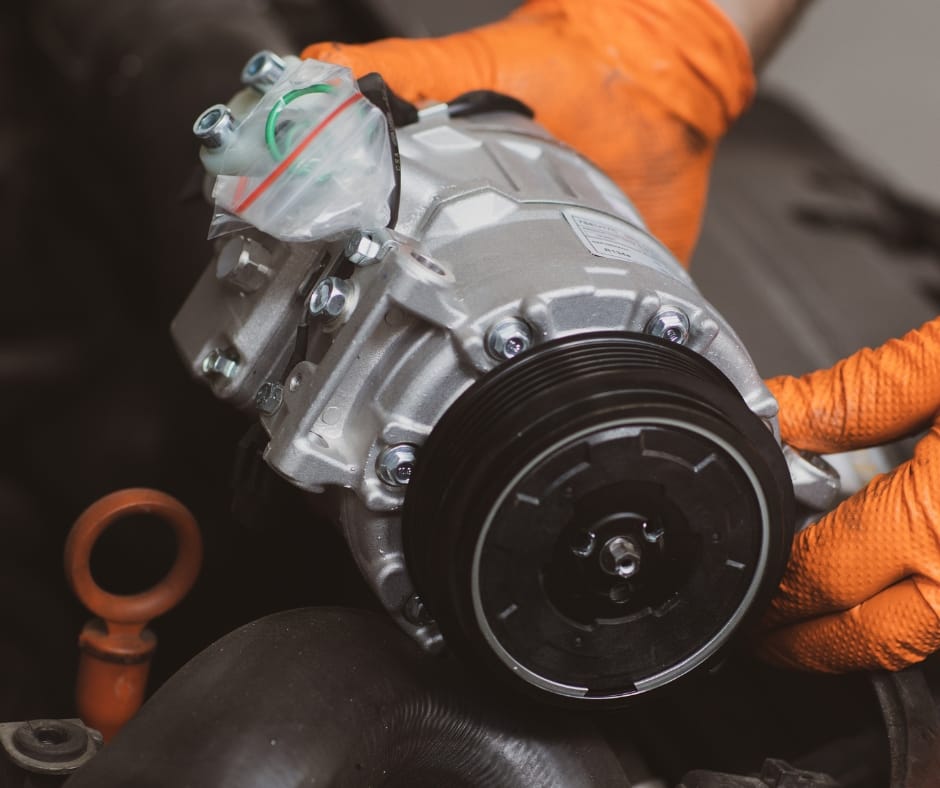
Each part of your AC system helps maintain cooling and airflow. This is a quick overview of their functions.
The compressor does a few key jobs: it pressurises the refrigerant so it can cool the air, keeps an eye on temp changes inside and out, manages how much cold air is pumped out and pushes refrigerant through to the condenser. Think of this as the heartbeat of your car’s AC system.
The condenser transforms high-pressure refrigerant gas into a liquid by dissipating heat. This process helps maintain the system’s cooling efficiency and make sure that the refrigerant is ready for the next stage of circulation.
The receiver drier makes sure only liquid refrigerant flows where it should. It filters out any gas, moisture or bits of grime that shouldn’t be there.
The thermal expansion valve regulates the amount of refrigerant entering the evaporator. Adjusting the flow based on temperature changes helps maintain consistent cooling performance.
The evaporator absorbs heat from the car’s interior, cooling the air before distributing it into the cabin. It also works with the refrigerant to remove excess humidity.
Refrigerant is the fluid that absorbs and releases heat to provide cooling. The type of refrigerant used depends on the vehicle make and model, with common options including R134a and R1234yf.
These components push cooled air through the vents into the cabin. If you notice weak to no airflow, then a faulty blower motor might be the cause.
The control module and sensors monitor AC settings and adjust cooling levels based on temperature changes and user inputs. These sensors help maintain efficient performance and prevent system strain.
To keep your car’s AC system performing at its best, follow these expert maintenance tips for your car air conditioning system components.
Make sure that the refrigerant is at the correct level to avoid overloading the system and maintain optimal cooling performance.
Regularly inspect hoses, seals and connections for leaks, as even a small leak can impact the efficiency of the system and the environment.
Damaged hoses can lead to refrigerant loss, so check them frequently for cracks or wear that may compromise performance.
Check that the compressor, condenser and evaporator are working properly to prevent malfunctions and keep the cooling system efficient.
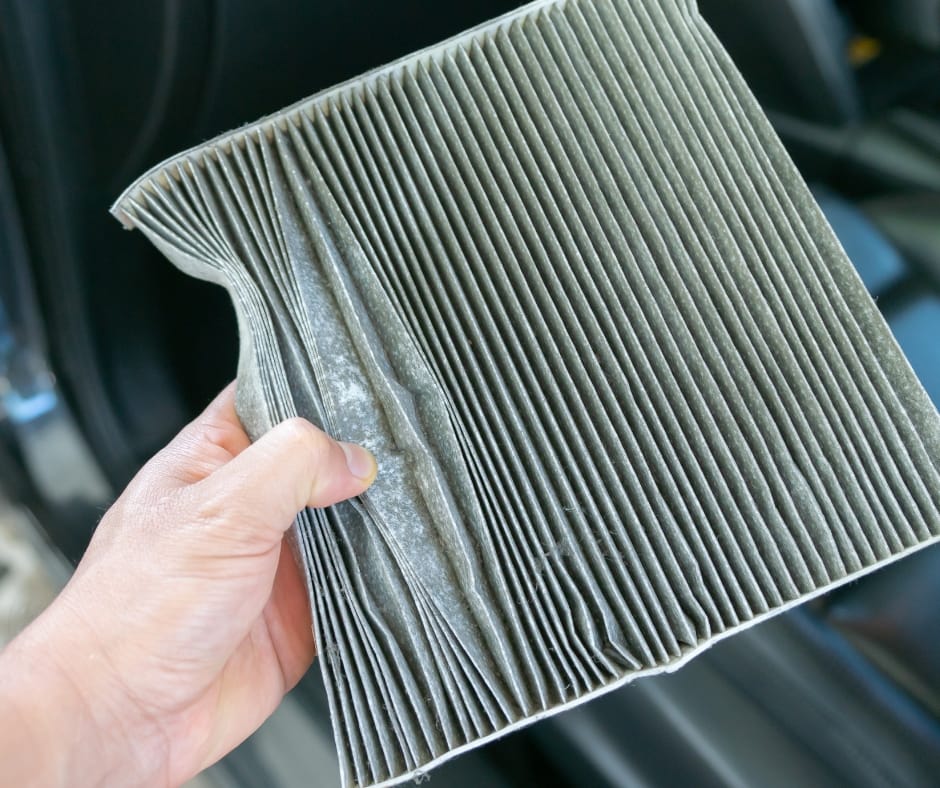
A clogged cabin filter can reduce airflow and hinder the AC’s ability to cool effectively, so have it repaired or replaced when necessary.
Dirt buildup on these components can obstruct airflow and reduce cooling efficiency, so regular cleaning is necessary.
Listen for any unusual noises or weak performance from the compressor, as these could signal potential issues that need attention.
Have a professional ac specialist perform a complete system check to identify any hidden problems that may affect AC performance.
If a component in your car’s air conditioning system fails, a professional diagnosis and servicing are important to prevent further system damage and maintain efficiency. DIY fixes might only cause more serious problems and costly repairs while a skilled ac specialist can accurately assess and resolve the issue.
Always choose high-quality car air conditioning system components from reputable suppliers, as low-quality parts can lead to frequent breakdowns and higher long-term costs. Investing in premium components keeps your AC system reliable, efficient and performing at its best.
Need reliable and durable car air conditioning components? You’ll find what you need at Oz Cool Auto & Parts! We supply premium AC components, such as compressors, blower motor fan resistors, compressor control valves and a lot more!
We also provide expert car air conditioning services to keep your system running smoothly. Every part we offer undergoes strict quality checks and comes from trusted manufacturers.
Explore our extensive product catalogue to find the best car air conditioning components for your vehicle or book a consultation with our team for quick assistance.